
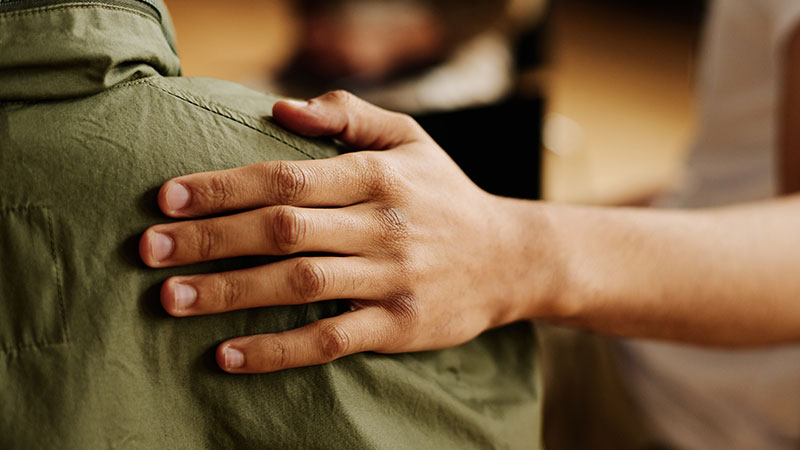
Secondary traumatic stress can occur when someone is repeatedly exposed to other people’s trauma, distress, crisis or suffering.
It is particularly relevant for counsellors, healthcare professionals, EAP practitioners, emergency responders and managers dealing with distressed employees. If you’re a parent, partner, friend, manager or colleague who has been holding space for someone else’s pain, you might be carrying more than you realise. Supporting someone through a difficult time can wear you down slowly, even when nothing has happened to you directly. What secondary trauma feels like
You might notice it in your body first, or in how you’re behaving with other people:
- Changes in your body, sleep and behaviour. Disturbed sleep, fatigue, headaches, muscle tension, difficulty concentrating, changes in appetite or feeling constantly “on edge”. Behaviour may also change—for example, withdrawing socially, becoming impatient, working excessively, procrastinating or increasingly relying on alcohol or other coping mechanisms to switch off.
- Taking other people’s trauma home with you. Stories or situations may remain in your mind after the interaction has ended. You might replay conversations, think repeatedly about a particular client or incident, experience intrusive images or dreams, or find yourself worrying about people long after your professional responsibility has ended.
- Emotional exhaustion or feeling overwhelmed. A person may feel emotionally drained, unusually irritable and anxious or emotionally “full”. You may notice that you have less emotional capacity for colleagues, friends of family and situations that you previously managed comfortably now feel difficult
- Changes in how you see the world. You may find yourself worrying excessively about your children or partner, see danger everywhere, lose trust in people, or feel that the world is becoming an increasingly unsafe or hopeless place.
Ask yourself: “Am I different because of the work I am doing?” Everyone has difficult days. The warning sign is when several of these changes persist, become more intense, start following you home, or begin affecting your relationships, sleep, wellbeing or ability to do your work. These reactions are a normal response to sustained emotional strain. They don’t mean you’re failing at supporting someone, they mean you’re human.
What helps
- Early recognition & name it. Recognising secondary trauma for what it is takes some of its power away.
- Keep your own routines. Sleep, meals and movement matter more, not less, when you’re supporting someone else.
- Talk to someone who isn’t involved, get peer support. A neutral, confidential space to process what you’re carrying makes a real difference.
- Spread the load and get recovery time. You don’t have to be the only one showing up. Bring other people in where you can, even for small parts of it. Take some time away to recover.
- Set boundaries around how much you take on. Caring for someone well doesn’t require absorbing everything they’re going through.
You can’t pour from an empty cup, and looking after your own wellbeing isn’t selfish. It’s what allows you to keep showing up for the people who need you. It is an indication that your cumulative exposure to other people’s distress has exceeded your current opportunities for recovery, support and emotional processing.
If you’re supporting someone through a hard time and feeling the weight of it, a NMG SmartAssist Programme counsellor is available for confidential support, at no cost to you, to talk it through.