
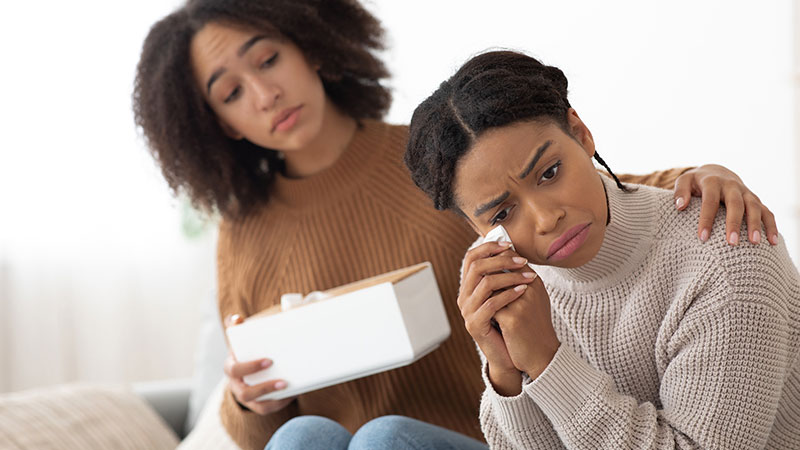
To live an independent life that’s free from fear, you must take time to heal after leaving an abusive relationship. This will allow you to repair the damage to your self-worth and confidence. Being physically free from your abuser is just the first step. It can take much longer to feel emotionally free, but with the right support and patience, this is possible.
Perspective
Many people blame themselves for allowing the abuse to happen, for not getting away sooner, or for the impact on the children. Accept that you weren’t to blame. Remember that abuse is about power, and acknowledge that your courage has brought you to a place of healing. Acknowledge that your courage has brought you to a place of healing.
Process and Accept your feelings
The damage caused by an abusive relationship can be deep and long-lasting. Many survivors often show similar symptoms to those of post-traumatic stress disorder (PTSD) sufferers. Distressing memories, flashbacks, nightmares, anxiety, and depression can impact your quality of life long after the actual threat of abuse has gone.
All emotions, from feeling free and empowered to feeling lonely and missing your ex, are completely normal. Therapy can teach you helpful coping skills and offer emotional support during the recovery process. Writing down your thoughts is also a great way to process your emotions, creating a safe space to reflect on your growth as time passes.
Look after yourself
Prioritise self-care and self-love, and give yourself the tools to recognize the pattern and avoid repeating it.
- Engage in hobbies and do things you used to love and were good at. Focus on things that build your confidence and help you regain emotional balance. You deserve it.
- Take time and space for yourself each day and find ways to reward yourself.
- Exercise regularly and practice relaxation techniques.
- Learn a new skill.
Educate yourself about abuse
- Study the signs of abuse.
- Learn more about why people fall in love with abusive partners and remain in unhealthy relationships.
- Understand the potential barriers to leaving an abusive relationship.
- Think about how abuse confronts us in different areas of life.
Build a strong support system
You’re not alone. A strong support system can include family, friends, a therapist, coach, personal trainer, and support group. Very often someone in an abusive relationship becomes isolated from friends and family. Reconnect with them if you can or make new friends to re-build your sense of self.
For therapeutic support, call the NMG SmartAssist Programme, at no cost to you or your family. Your health and wellbeing matters!